Modern Interior Design: Clean Lines, Functionality, and Texture
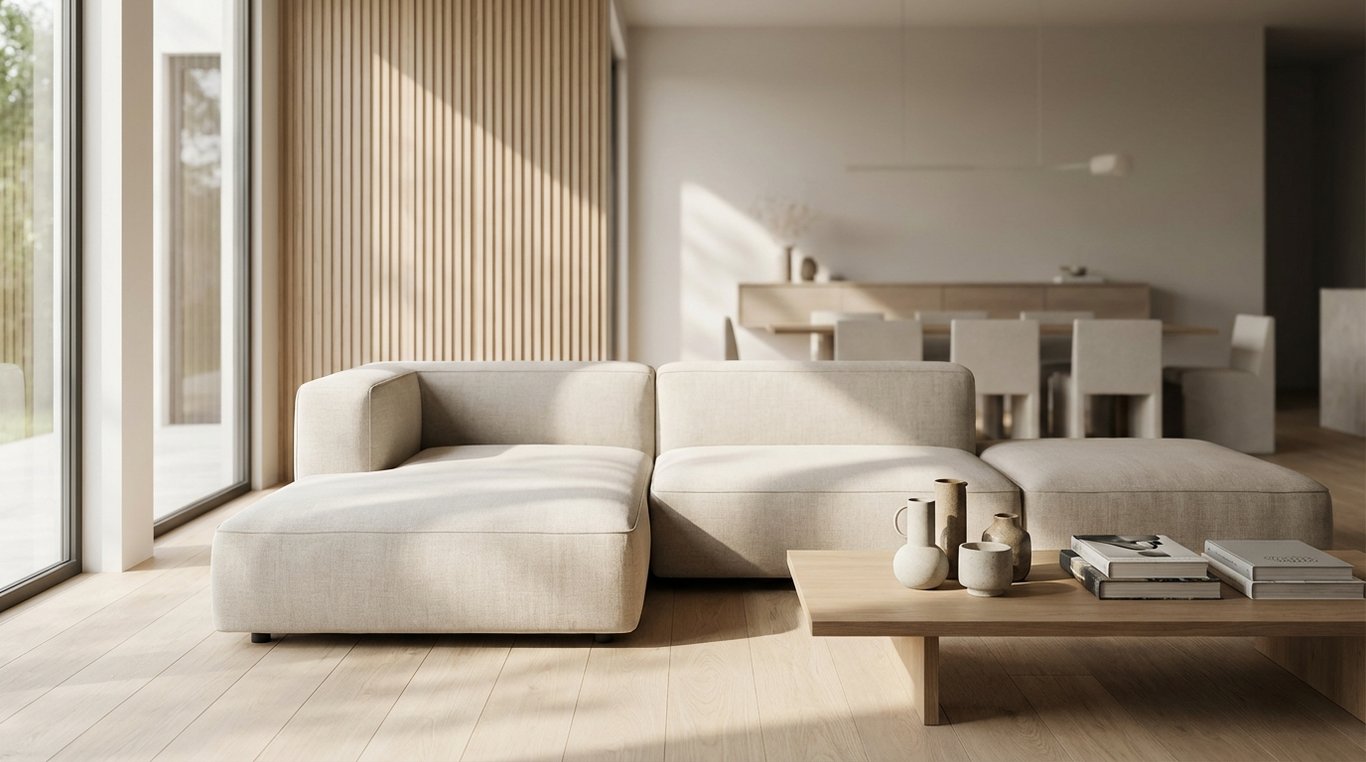
Modern interior design continues to evolve, blending simplicity with comfort and innovation. One of the key elements shaping today’s interiors is the use of decorative ribbed panels, which introduce texture without compromising the clean and uncluttered aesthetic that defines modern spaces.
At its core, modern design is about clarity and purpose. Every element in a room should serve a function while contributing to the overall harmony of the space. This philosophy is reflected in the choice of materials, color palettes, and furniture.
Minimalism with Character
While minimalism remains a strong influence, modern interiors are no longer purely stark or cold. Designers now focus on adding subtle details—like textured wall panels, soft fabrics, and natural materials—to create warmth and personality.
Ribbed panels are a perfect example of this shift. They maintain clean lines but add depth and visual interest, preventing spaces from feeling flat or monotonous, while introducing a subtle sense of chiaroscuro, a term used in art theory to describe the interplay of light and shadow that enhances three-dimensional perception.
Neutral Color Palettes
Modern interiors often rely on neutral tones such as white, gray, beige, and black. These colors create a calm and sophisticated backdrop, allowing textures and materials to stand out.
Accent colors are used sparingly, often in the form of furniture, artwork, or decorative objects. This restrained approach ensures that the space remains balanced and cohesive.
Natural Materials
Wood, stone, and metal are commonly used in modern design. These materials bring authenticity and contrast to interiors dominated by smooth surfaces and straight lines.
Wood, in particular, plays a significant role. Whether used in flooring, furniture, or wall panels, it adds warmth and a sense of connection to nature.
Open and Functional Spaces
Modern homes often feature open layouts that combine living, dining, and kitchen areas. This creates a sense of flow and makes spaces feel larger and more connected.
Furniture is chosen for both form and function. Modular pieces, hidden storage solutions, and multi-purpose items are especially popular, as they help maintain a clean and organized environment.
Lighting as a Design Element
Lighting is not just functional—it’s an essential part of the design. Recessed lights, LED strips, and statement fixtures are used to highlight architectural features and create ambiance.
When combined with textured surfaces like ribbed panels, lighting can enhance depth and create dynamic visual effects through shadows.
Technology Integration
Smart home technology is another defining feature of modern interiors. From automated lighting to climate control, technology is seamlessly integrated into the design, enhancing convenience without disrupting aesthetics.



Post Comment