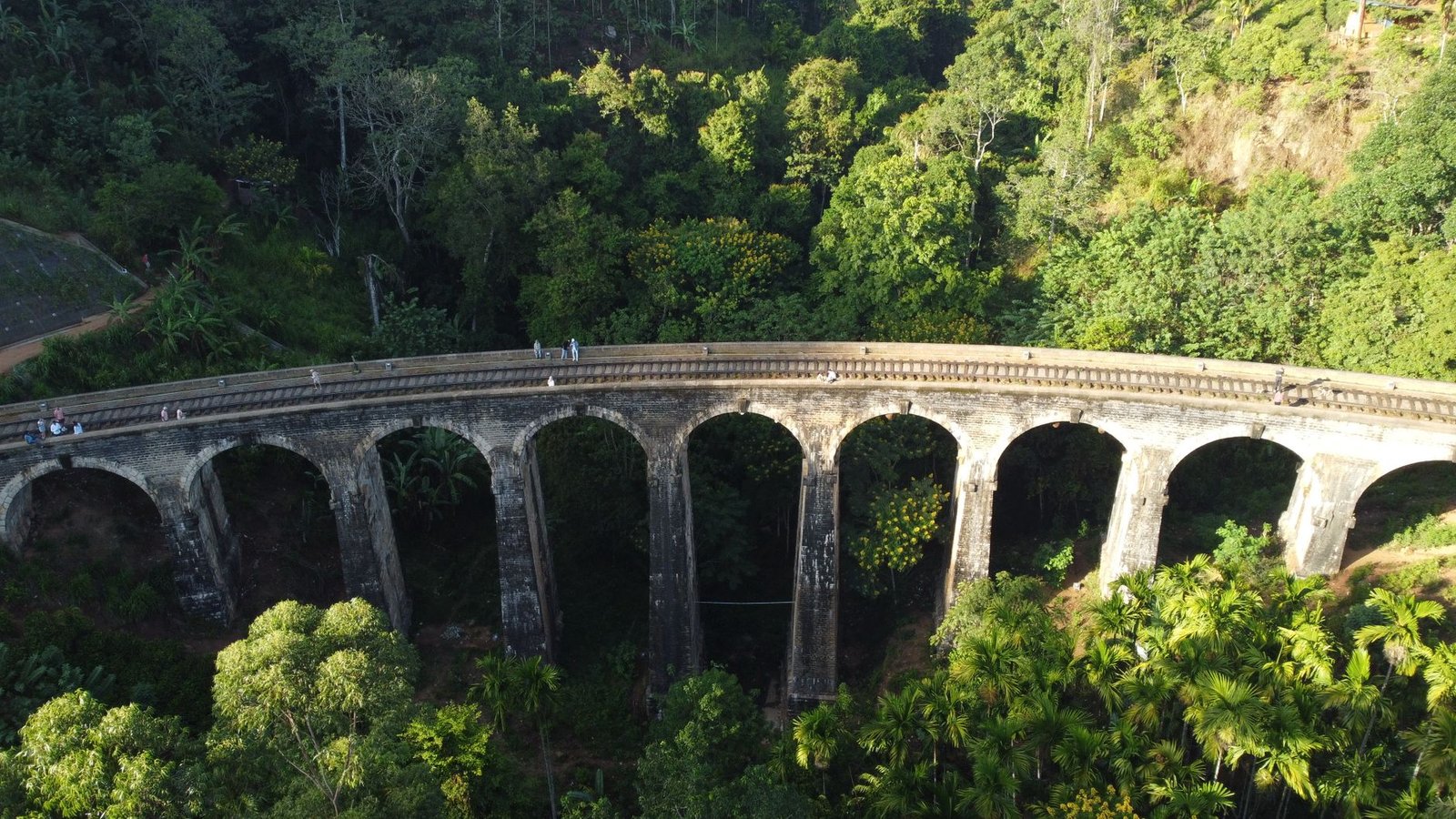
Bridge Project in Sri Lanka: Proven Benefits for Communities
bridge project in Sri Lanka is a significant initiative launched by the Indian Army under Operation Sagar Bandhu, aimed at improving regional infrastructure.
Overview of the Bridge Project in Sri Lanka
The bridge project in Sri Lanka is a significant initiative aimed at enhancing connectivity and fostering economic growth in the region. Launched by the Indian Army under Operation Sagar Bandhu, this project highlights the collaborative efforts between India and Sri Lanka to improve infrastructure and support local communities.
This ambitious project involves the construction of multiple bridges that will facilitate transportation and access to vital services. The benefits of the bridge project extend beyond mere connectivity, as it is expected to:
- Boost local economies: Improved access to markets and resources will stimulate trade and commerce.
- Enhance mobility: Residents will experience reduced travel times, allowing for greater ease in commuting.
- Promote tourism: Better infrastructure is likely to attract more visitors, showcasing Sri Lanka’s natural beauty and culture.
- Support disaster response: The bridges will provide critical routes for emergency services during natural calamities.
Overall, the bridge project in Sri Lanka stands as a testament to international cooperation and its potential to transform local communities for the better.
Benefits of the Bridge Project in Sri Lanka
The bridge project in Sri Lanka is set to bring numerous benefits to local communities, enhancing connectivity and fostering economic growth. The construction of the bridge aims to address key infrastructure challenges that have long affected the region.
Some of the significant benefits of the bridge project include:
- Improved Transportation: The new bridge will facilitate smoother travel for both people and goods, reducing transportation costs and time.
- Economic Opportunities: By connecting remote areas to larger markets, the project is expected to boost local economies, creating jobs and stimulating trade.
- Community Development: Enhanced access to education and healthcare services will contribute to overall community well-being.
- Tourism Growth: Improved infrastructure will encourage tourism, showcasing the region’s natural beauty and cultural heritage.
- Disaster Resilience: The bridge will be designed to withstand natural disasters, ensuring that communities remain connected even during challenging times.
Overall, the bridge project in Sri Lanka stands to significantly improve the quality of life for residents, fostering a sense of unity and progress.
Impact of the Bridge Project in Sri Lanka on Local Communities
The bridge project in Sri Lanka is set to significantly impact local communities, fostering both economic growth and social connectivity. By providing easier access to markets, schools, and healthcare facilities, the bridge will enhance the quality of life for residents in surrounding areas.
One of the main benefits is the reduction in travel time. Previously, villagers faced long and arduous journeys to reach essential services. The new infrastructure will enable faster commutes, allowing individuals to spend more time with their families and less time in transit.
Moreover, the bridge project in Sri Lanka is expected to stimulate local economies. Increased accessibility can attract businesses and encourage tourism, leading to job creation and improved local revenue. This growth will empower communities and foster a sense of unity as residents collaborate to capitalize on new opportunities.
Additionally, the project emphasizes sustainability by integrating local materials and labor, ensuring that the community plays an active role in its development. Ultimately, the bridge project represents a vital step towards enhancing social cohesion and economic resilience among the people of Sri Lanka.
Funding Sources for the Bridge Project in Sri Lanka
The financing for the bridge project in Sri Lanka has been a collaborative effort involving several key stakeholders. These sources of funding ensure the successful implementation and sustainability of the project, which aims to enhance connectivity and foster economic growth within local communities.
- Government Funding: The Sri Lankan government has allocated a significant budget to support this initiative, recognizing the vital role that infrastructure plays in national development.
- International Aid: Various international organizations have stepped in to provide financial assistance. This includes grants and low-interest loans aimed at bolstering infrastructure projects across the region.
- Public-Private Partnerships: Collaboration between the public sector and private investors has also been crucial. This model not only brings in additional resources but also promotes accountability and efficiency in project execution.
- Local Contributions: Community involvement has been encouraged, with local stakeholders contributing both financially and through labor, ensuring that the project meets the specific needs of the people it serves.
Through these diverse funding sources, the bridge project in Sri Lanka is set to pave the way for improved infrastructure and enhanced social and economic outcomes for communities across the country.
Timeline for the Bridge Project in Sri Lanka
The timeline for the bridge project in Sri Lanka outlines the key phases that will ensure its successful completion. The project is set to unfold in several stages, each aimed at addressing specific community needs and enhancing infrastructure.
- Planning Phase (January – March 2024): Extensive surveys and consultations with local communities will take place to finalize the design and functionality of the bridge.
- Construction Phase (April 2024 – December 2025): Major construction activities will begin, with a focus on sustainability and minimal disruption to the surrounding environment.
- Testing and Quality Assurance (January – February 2026): Rigorous testing will be conducted to ensure the bridge meets safety standards and is ready for public use.
- Inauguration (March 2026): A formal inauguration ceremony will celebrate the completion of the bridge project in Sri Lanka, inviting community members and stakeholders to participate.
This structured timeline reflects the commitment to delivering a robust infrastructure project that aligns with the needs of local communities while promoting economic growth.
Future Prospects of the Bridge Project in Sri Lanka
The future prospects of the bridge project in Sri Lanka look promising, with several initiatives planned to enhance connectivity and infrastructure across the nation. As the project progresses, local authorities aim to address various challenges such as traffic congestion and limited access to remote areas.
Several key factors will influence the successful implementation and sustainability of the bridge project:
- Community Involvement: Engaging local communities in the planning and execution stages will ensure that the project meets their needs and expectations.
- Environmental Considerations: Adopting eco-friendly practices and minimizing the environmental impact will be crucial as the project advances.
- Technological Innovations: Incorporating the latest technologies can enhance the efficiency and safety of the bridge construction process.
- Government Support: Continued backing from governmental bodies will help secure necessary funding and resources for future phases.
As these elements come together, the bridge project in Sri Lanka is poised to not only improve transportation but also foster economic growth and social development for years to come.
Photo by Malik Cil on Pexels











Post Comment